


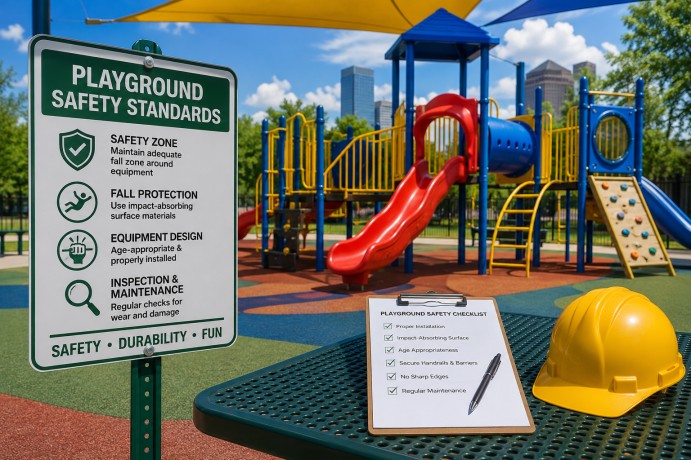
Investing in a playground is about much more than selecting slides, swings, and climbing structures. Safety should be the foundation of every decision, whether you are purchasing equipment for a school, public park, daycare, church, homeowners association, or commercial property. Understanding the regulations, guidelines, and best practices associated with playground safety can help create an environment where children can play confidently while reducing potential risks.
For buyers considering playground equipment in Houston, a strong understanding of safety standards is essential before making any purchasing decisions.
Why Playground Safety Standards Matter
Playgrounds are designed to encourage physical activity, social interaction, and creative play. However, poorly designed or improperly installed equipment can increase the likelihood of injuries.
Safety standards exist to help ensure that playground equipment meets specific requirements related to design, spacing, durability, and impact protection. These standards are intended to reduce hazards while allowing children to enjoy challenging and engaging play experiences.
When evaluating playground equipment in Houston, buyers should always prioritize safety over appearance or cost savings alone.
Understanding National Playground Safety Guidelines
Several organizations play an important role in establishing playground safety recommendations and standards throughout the United States.
ASTM Standards
The ASTM International standards provide guidelines for playground equipment design, manufacturing, installation, maintenance, and performance. These standards help manufacturers create products that meet recognized safety expectations.
CPSC Guidelines
The Consumer Product Safety Commission (CPSC) publishes the Public Playground Safety Handbook, which outlines recommendations regarding playground design, surfacing, equipment spacing, and hazard prevention.
Although these guidelines are not federal laws, they are widely recognized as industry benchmarks and are frequently referenced during playground planning and inspections.
The Importance of Proper Safety Surfacing
One of the most critical aspects of playground safety is the surface beneath the equipment.
Many playground injuries occur when children fall from elevated structures. Appropriate surfacing helps absorb impact and reduce the severity of injuries.
Common safety surfacing options include:
- Engineered wood fiber
- Poured-in-place rubber
- Rubber mulch
- Rubber tiles
- Synthetic turf systems designed for playground use
Buyers researching playground equipment in Houston should carefully evaluate surfacing options because they contribute significantly to overall safety performance.
Age-Appropriate Playground Design
Children of different age groups have varying physical abilities and developmental needs. For this reason, playgrounds should be designed with age-appropriate play zones.
Typical playground categories include:
- Ages 6 months to 23 months
- Ages 2 to 5 years
- Ages 5 to 12 years
Separating age groups helps reduce conflicts between younger and older children while ensuring that equipment is suitable for intended users.
Clear signage identifying age recommendations can further improve safety and user experience.
Common Playground Hazards Buyers Should Avoid
Understanding potential hazards can help buyers make informed decisions during the selection process.
Some of the most common concerns include:
Inadequate Fall Zones
Every playground structure requires sufficient clearance around the equipment to allow safe movement and minimize collision risks.
Entrapment Hazards
Openings should be designed to prevent a child’s head, neck, or body from becoming trapped.
Protrusions and Sharp Edges
Equipment should be free from exposed hardware, sharp corners, or components that could cause injuries.
Poor Maintenance
Even high-quality playground systems require regular inspections and maintenance to remain safe over time.
When purchasing playground equipment in Houston, buyers should verify that the manufacturer addresses these concerns during product design and testing.
Installation Standards and Site Planning
Even the safest playground equipment can become hazardous if installed incorrectly.
Professional installation helps ensure that:
- Equipment is properly anchored
- Safety clearances are maintained
- Surfacing depth requirements are met
- Drainage considerations are addressed
- Accessibility requirements are incorporated
Site planning also plays a major role in safety. Factors such as sunlight exposure, visibility, traffic flow, and proximity to roads should be evaluated during the planning stage.
A well-designed site can improve both safety and long-term usability.
Accessibility and Inclusive Play
Modern playgrounds increasingly focus on creating inclusive environments where children of all abilities can participate.
Accessible playground features may include:
- Transfer platforms
- Accessible ramps
- Sensory play components
- Wide pathways
- Ground-level activities
Inclusive design benefits families and communities by ensuring that playground experiences are available to a broader range of users.
Many buyers of playground equipment in Houston are incorporating accessibility features as a core component of their playground projects rather than treating them as optional additions.
Inspection and Maintenance Requirements
Playground safety does not end once installation is complete.
Regular inspections help identify issues such as the following:
- Loose fasteners
- Worn components
- Surface deterioration
- Structural damage
- Vandalism-related concerns
Routine maintenance programs can extend equipment life while maintaining compliance with recommended safety practices.
Establishing a documented inspection schedule is a valuable step for schools, municipalities, and organizations responsible for public playgrounds.
Choosing a Reputable Playground Supplier
Selecting the right supplier is one of the most important decisions a buyer can make.
A reputable provider should offer:
- Compliance with recognized safety standards
- Detailed installation guidance
- Product warranties
- Maintenance support
- Accessible design options
- Professional consultation services
When evaluating suppliers of playground equipment in Houston, buyers should ask questions about certifications, testing procedures, and long-term support services.
Frequently Asked Questions
1. What is the most important playground safety feature?
Proper impact-absorbing surfacing is one of the most important safety features because it helps reduce injuries from falls.
2. Are playground safety standards mandatory?
Requirements vary by jurisdiction, but ASTM and CPSC guidelines are widely accepted industry standards.
3. How often should playgrounds be inspected?
Routine visual inspections should occur regularly, with more detailed inspections conducted periodically throughout the year.
4. Why are age-specific play areas important?
They help ensure children use equipment that matches their developmental abilities and physical capabilities.
5. Can older playgrounds be upgraded to meet current standards?
Yes. Many existing playgrounds can be improved through equipment upgrades, surfacing improvements, and accessibility enhancements.
Contact Oasis Water Playgrounds
Creating a safe playground starts with choosing the right partner. Oasis Water Playgrounds specializes in designing and delivering high-quality recreational environments that prioritize safety, durability, and engaging play experiences. Whether you are planning a new playground or upgrading an existing one, contact Oasis Water Playgrounds today to discuss solutions tailored to your space, budget, and community needs.