


A splash pad and an aquatic playground may look similar at first glance, but they offer different experiences for children and families. Understanding their differences can help communities, parks, hotels, and recreational facilities choose a water-play environment that fits their space and audience.
What Is a Splash Pad?
A splash pad is a water-play area designed primarily around ground-level features. Instead of swimming in a pool, children interact with water sprayed, misted, or released from fixtures installed on the play surface.
Common splash pad features can include ground sprays, water jets, bubblers, misters, spray rings, and other interactive elements. Water generally remains at a very shallow level or drains away through the surface, allowing children to move freely throughout the play area.
One of the biggest advantages of a splash pad is its accessibility. Because there is little or no standing water, children can enjoy water play without entering a traditional swimming pool. This can make splash pads appealing to parks, community centers, residential developments, and other public recreational spaces.
Splash pads can also be designed around different themes, available footprints, and age groups. A smaller installation may focus on simple sprays and interactive ground features, while a larger one can incorporate multiple zones with different water effects.
For facilities considering aquatic playgrounds in Houston, it is useful to understand that a splash pad can be a relatively open and flexible water-play concept. Its design can be adapted to the available area while still providing an engaging outdoor activity during Houston’s warm weather.
What Is an Aquatic Playground?
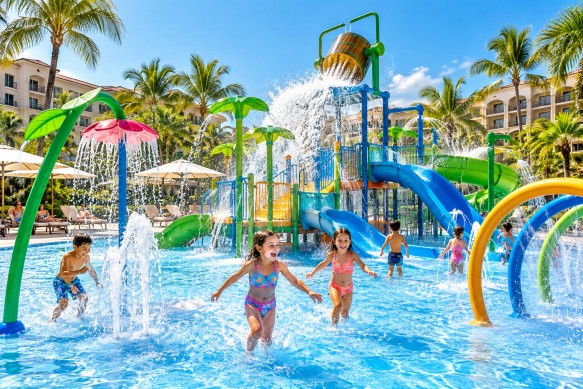
An aquatic playground takes interactive water play a step further by combining water features with a structured play environment. Instead of focusing primarily on ground-level sprays, it can incorporate elevated play structures, platforms, slides, tipping buckets, water cannons, tunnels, and other interactive components.
The layout can create multiple levels of activity, giving children opportunities to explore different features within the same play area. Some children may prefer smaller interactive elements, while others may be drawn to larger structures and water slides.
Aquatic playgrounds can also be highly customizable. Owners and developers can select features based on the intended age group, available space, theme, budget, and overall design concept. This flexibility makes them suitable for settings such as water parks, resorts, family entertainment venues, municipal recreation facilities, and commercial developments.
Another difference is the visual impact. A well-designed aquatic playground can become a prominent attraction within a recreational property because of its height, colorful structures, interactive components, and variety of activities.
When comparing aquatic playgrounds in Houston with conventional splash pads, the most important distinction is the overall play experience. A splash pad generally emphasizes ground-level water interaction, while an aquatic playground can create a more comprehensive play environment with elevated structures and multiple interactive zones.
Splash Pad or Aquatic Playground: Which Is Right for Your Project?
The right choice depends on what the facility wants to accomplish.
A splash pad may be appropriate when the goal is to create an accessible water-play area within a relatively straightforward footprint. It can work particularly well where designers want to focus on ground-level interaction, simple movement through the space, and a variety of spray effects.
An aquatic playground may be a better fit when the facility wants a larger attraction with several types of activities. Elevated structures, slides, dumping features, and interactive water elements can encourage children to spend more time exploring the area.
Available space is another important consideration. Before selecting a system, project planners should consider the footprint required for the play features, circulation areas, equipment, drainage, utilities, safety surfacing, and surrounding amenities.
Maintenance should also be considered from the beginning. Both types of water-play installations require appropriate water management, cleaning, inspections, and ongoing maintenance. The exact requirements depend on the equipment, water system, local regulations, and design.
Safety is equally important. Equipment should be selected and installed according to applicable standards and requirements, with appropriate surfaces, clear sightlines, drainage, and age-appropriate features incorporated into the design.
For facilities exploring aquatic playgrounds in Houston, working with an experienced water-playground manufacturer or designer can make it easier to evaluate these considerations before construction begins.
Frequently Asked Questions
- Is a splash pad the same as an aquatic playground?
No. A splash pad typically emphasizes ground-level water features, while an aquatic playground can include elevated structures, slides, tipping buckets, and other interactive play equipment. - Are aquatic playgrounds suitable for young children?
Yes. They can be designed with age-appropriate features and separate activity areas to accommodate different levels of physical ability and confidence. - Do splash pads have standing water?
Many splash pads are designed with minimal standing water, using drainage systems to move water away from the play surface. - Can an aquatic playground be customized?
Yes. Features, themes, layouts, structures, and interactive elements can often be selected according to the project’s space, audience, and design objectives. - How do I choose between a splash pad and an aquatic playground?
Consider your available space, target age groups, desired activities, budget, maintenance requirements, and the overall experience you want to create.
Bring Your Water-Play Vision to Life with Oasis Waterplaygrounds
Whether you’re planning a compact splash pad or a fully interactive aquatic attraction, Oasis Waterplaygrounds can help you explore options suited to your project. Contact Oasis Waterplaygrounds today to discuss your water-play concept and create an engaging destination for your visitors.