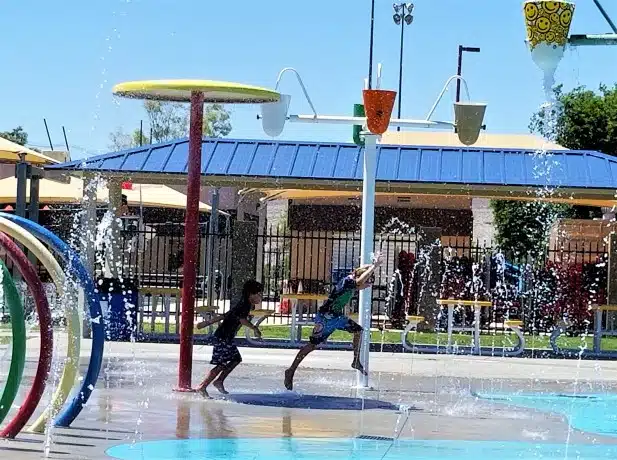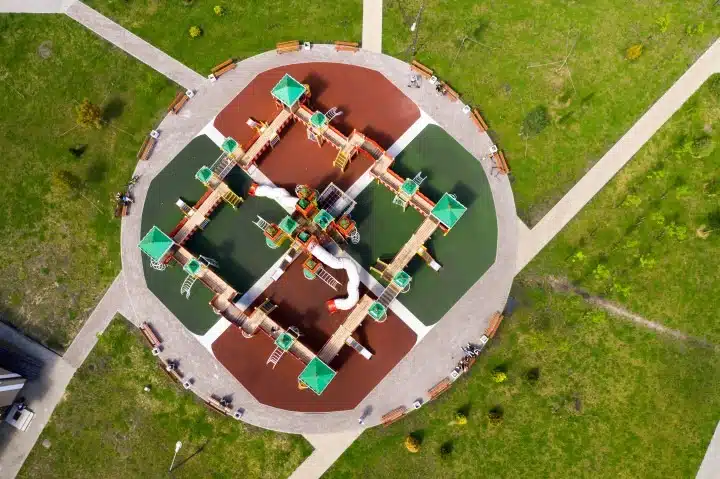


For the community to flourish, they need to create public spaces that promote free participation among all people. This means not just providing recreational opportunities such as parks, splash pads, and play areas, but also creating social points of contact (social anchors) for people to form connections naturally. Inclusive playground design, which is based on the needs of caregivers and the children who use these facilities, is an example of the intentional and thoughtful consideration of how to plan these types of environments inclusively.
Creating a Sense of Inclusivity in Shared Spaces
People who are exposed to accessibility and dignity will remain in a social environment longer than someone who does not experience these elements; therefore, creating a more inclusive environment creates more opportunity for people to interact with each other and creates a more profound sense of belonging. An example of this is when a community has an accessible water feature, which helps people with disabilities break down barriers and engages them in the community’s water play opportunities.
Inclusive design does not mean providing a single “special” feature after the facility has been built; it means creating intentional choices when planning the design. In addition, communities comprise many types of individuals with varying levels of physical ability, sensory need, and comfort level. Therefore, when public spaces acknowledge and accommodate this diversity, they encourage a greater level of cross-generational and cross-cultural engagement.
Families are more likely to visit parks together when everyone can participate. Seniors feel more comfortable accompanying grandchildren. Children with disabilities can play alongside peers rather than being separated. These shared experiences strengthen social ties and encourage repeat visits, which in turn activates public spaces throughout the day.
Designing for Participation, Not Observation
Traditional playgrounds often unintentionally create spectators. When equipment is difficult to access or navigate, some users are left watching instead of participating. Inclusive playground design shifts the focus from observation to involvement. Ramps, smooth surfacing, supportive seating, and clear pathways allow users to move independently and confidently.
In water play areas, this philosophy becomes even more impactful. Features designed with water play accessibility in mind allow children using mobility aids or with sensory sensitivities to engage safely. Ground-level sprays, gentle flow options, and intuitive controls make water features approachable rather than intimidating.
Social Connection Through Play
Play is a universal language. When design removes physical and psychological barriers, play becomes a shared experience rather than a segmented one. Children naturally interact when equipment encourages cooperative movement and shared discovery. Inclusive spaces reduce awkward moments where differences feel highlighted, replacing them with opportunities for collaboration and laughter.
Parents and caregivers also benefit. When children of varying abilities can use the same space, adults connect more easily. Conversations start organically, building familiarity and trust within the community. This ripple effect strengthens neighbourhood bonds long after the visit ends.
Sensory-Friendly Environments Encourage Longer Visits
Not all accessibility needs are visible. Some users are sensitive to noise, movement, or visual stimulation. Inclusive design considers sensory balance through thoughtful zoning, clear sightlines, and varied activity levels. Quiet areas alongside active zones give users choice and control over their experience.
Incorporating water play accessibility also means offering options. Adjustable spray heights, predictable water patterns, and visual cues help users feel safe and confident. When people feel comfortable, they stay longer, explore more, and return often.
Community Pride and Shared Ownership
Public spaces that reflect inclusive values often become points of pride. Residents recognize when their municipality prioritizes equity and thoughtful planning. Well-used parks signal care, investment, and foresight, encouraging residents to take ownership of their surroundings.
When communities see inclusive playground design in action, it sends a clear message: everyone belongs here. This perception encourages volunteerism, local advocacy, and ongoing engagement with public initiatives. Inclusive spaces do not just serve the community; they strengthen it.
Accessibility Supports Economic and Social Value
Accessible public spaces are not only socially responsible, they are economically smart. Families are more likely to travel to destinations known for welcoming design. Events, gatherings, and celebrations naturally gravitate toward spaces that accommodate everyone comfortably.
Well-designed splash pads and parks that prioritize water play accessibility often see higher usage across age groups. Increased foot traffic supports nearby businesses and justifies continued investment in public infrastructure. Accessibility becomes a catalyst for sustainable community growth rather than an added cost.
Designing With, Not Just For, the Community
True inclusivity benefits from listening. Communities that engage residents during the design process often create spaces that feel intuitive and respectful. Input from families, accessibility advocates, and local organizations helps designers anticipate real-world use rather than theoretical needs.
When inclusive playground design is informed by lived experience, the result is a space that feels natural rather than specialized. Accessibility blends seamlessly into the environment, allowing everyone to focus on enjoyment rather than accommodation.
The Role of Water Play in Inclusive Communities
Water features bring people together like few other elements can. They cool, energize, and invite spontaneous play. Ensuring water play accessibility means acknowledging that water should be enjoyable for everyone, not just those who move or sense the world in a particular way.
Accessible water play areas encourage multigenerational interaction. Caregivers can participate rather than supervise from the sidelines. Children explore together, learning empathy and cooperation through shared experience. These moments build social understanding that extends beyond the playground.
Long-Term Impact on Community Wellbeing
Inclusive design has effects that go beyond a single visit. Children who grow up playing in accessible environments learn early that diversity is normal and inclusion is expected. Adults benefit from reduced stress when spaces work for their entire family.
By embedding inclusive playground design into public planning, communities invest in emotional wellbeing as much as physical activity. Spaces designed for everyone naturally foster kindness, patience, and mutual respect.
Oasis Water Playgrounds specializes in creating engaging, accessible spaces that bring communities together. If you are planning a project that values connection, equity, and long-term impact, partner with Oasis Water Playgrounds to design inclusive environments where everyone belongs.