

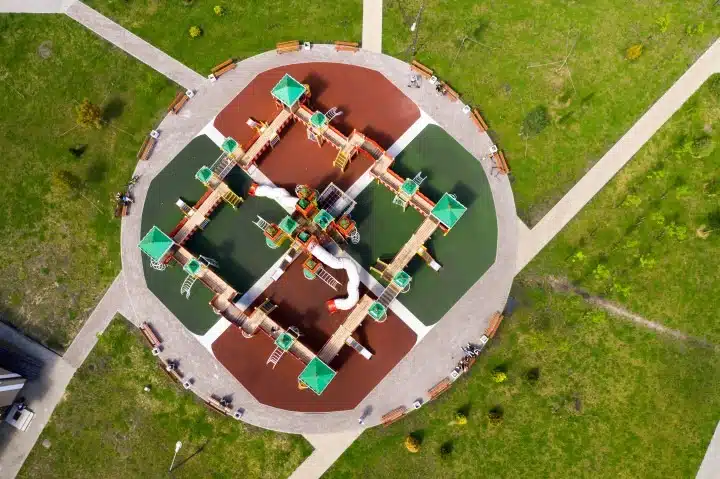
Designing a splash pad is an exciting project, especially for communities, parks, and recreational spaces looking to create a safe and engaging play environment for families. However, even the most well-intentioned projects can go off track if certain splash pad design mistakes are not recognized early. Whether you are upgrading an existing water play zone or starting fresh, a successful plan requires thoughtful strategy, proper safety considerations, and a deep understanding of how children interact with water features. As cities expand their recreation offerings, avoiding common missteps becomes essential for long-term usability and cost-effectiveness.
1. Ignoring Early Planning and User Needs
Many splash pad design mistakes begin with inadequate research. Teams often rush into construction without fully understanding the needs of various age groups. Proper planning splash pad details must include children’s behaviour patterns, accessibility concerns, and the expected visitor volume. When these considerations are overlooked, the final space may feel disorganized or unsafe.
Designing a splash pad can be quite an exciting project, especially for communities, parks, and recreational areas trying to establish a safe and fun play environment for families. Even the most well-intentioned projects can go off course, though, if certain splash pad design mistakes are not realized early on. Whether you’re upgrading an existing water play zone or starting fresh, a successful plan requires thoughtful strategy, proper safety considerations, and a deep understanding of how children interact with water features. As cities expand recreation options, avoiding common mistakes is important for both long-term usability and affordability.
- Disregarding Early Planning and User Needs
Many of the splash pad design mistakes start with poor research. Teams often rush into construction without understanding what different age groups need. Properly planning splash pad should incorporate the study of children’s behavior patterns, concerns about accessibility, and expected volumes of visitors. Without these considerations, the final space can feel disorganized or unsafe.
2. Overlooking Water Flow and Pressure Requirements
Water features are fun only when they work correctly. Incorrect pressure settings, poor placement of pumps, or inconsistent flow rates often lead to equipment malfunctions. These issues are among the most common splash pad design mistakes, resulting in higher maintenance costs. Proper hydraulic calculations and well-designed pump systems are essential elements in planning splash pad success.
3. Poor Surface Material Selection
Choosing the wrong surfacing material can create long-term safety hazards. Slippery concrete, uneven textures, or abrasive materials make falls more dangerous. One of the most critical park splash pad tips is selecting certified, slip-resistant surfacing that supports drainage and reduces injuries. Comfort, durability, and temperature control are equally important factors.
4. Inefficient Drainage Planning
Without strong drainage, water will pool on the surface and create slip zones. Many towns discover too late that their drainage system is undersized or poorly placed. These splash pad design mistakes can disrupt operations and increase liability. Effective planning splash pad strategies must include proper grading, drainage channels, and flow-away systems that meet regional weather and soil conditions.
5. Neglecting Shade and Seating Areas
Parents and caregivers often stay near the edge of the play area, so lack of shade becomes a major usability issue. Heat exposure can lead to early closure or shorter visitor stays. Among essential park splash pad tips, providing nearby shade structures, benches, and resting zones is key to enhancing public comfort and keeping families on site longer.
6. Failing to Plan for Maintenance Access
Designers sometimes forget that splash pads require ongoing maintenance, cleaning, and repair. If access panels are hard to reach or equipment rooms are too small, staff struggle to perform regular upkeep. These splash pad design mistakes shorten the lifespan of pumps and filters. A thoughtful approach to planning splash pad layout ensures easy access to controls, filters, and underground plumbing.
7. Not Creating an Age-Appropriate Layout
Combining high-pressure features with toddler-friendly zones can cause unnecessary safety concerns. Children may collide with stronger jets, or younger children might feel overwhelmed by loud, energetic features. One of the most important park splash pad tips is separating zones by age and activity level. This ensures children engage confidently and reduces risk for everyone on site.
8. Overlooking Water Conservation Systems
Modern splash pads require sustainability-focused planning. Without efficient recirculation or treatment systems, water waste can be extremely high. These overlooked splash pad design mistakes not only impact the environment but also increase operational costs. Integrating smart filtration, UV treatment, and real-time monitoring systems during planning splash pad development ensures long-term savings.
9. Ignoring Accessibility and Inclusivity Requirements
A water play zone should be welcoming to all children, including those with mobility limitations or sensory sensitivities. When designers skip accessibility considerations, they create barriers that exclude families. Follow the best park splash pad tips by ensuring wheelchair-friendly pathways, easy-to-activate features, and inclusive ground sprays that allow everyone to participate.
10. Forgetting the Importance of Theming and Engagement
A splash pad without cohesive theming or interactive design may feel less exciting to children. Vibrant colours, creative structures, and story-based features elevate the entire space. Missing this creative layer is among the lesser-known splash pad design mistakes, but it has a big impact on the park’s appeal. During planning splash pad sessions, consider how theming enhances visitor experience and supports a community’s identity.
Final Thoughts
Designing a successful splash area is more than placing water features randomly across a pad—it is about creating safe, functional, and joyful spaces. Whether you’re building in a small neighbourhood or a major urban park, following trusted park splash pad tips and avoiding the most frequent splash pad design mistakes will help ensure your investment brings lasting benefits to the community.
For expert guidance, custom layouts, and high-quality water play equipment, Oasis Water Playgrounds is ready to support your vision. Contact us today to begin planning splash pad solutions that deliver excitement, safety, and long-term value.