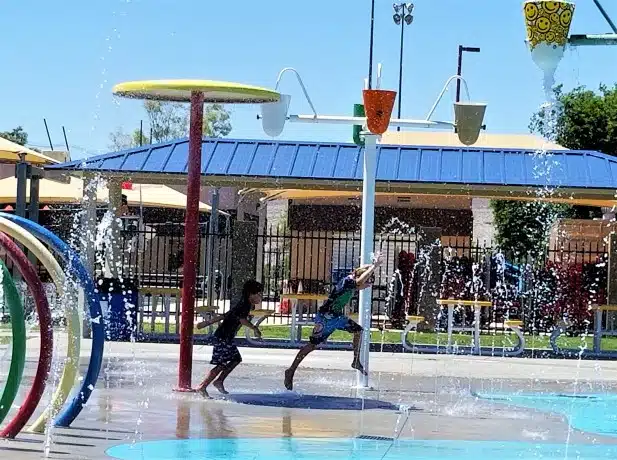


Communities across the country are rethinking how public water play areas are designed, built, and maintained. Splash pads are no longer just simple spray features connected to a water line. Today’s systems are carefully engineered to balance fun, safety, sustainability, and long-term operational savings. As municipalities face rising utility costs and increased environmental awareness, energy efficiency has become a defining feature of modern aquatic design.
An energy-efficient splash pad is not simply about reducing electricity usage. It reflects a broader commitment to responsible water management, smart engineering, and durable materials that extend the lifespan of equipment. At the same time, thoughtfully designed cost-saving fountains help cities and property owners create exciting attractions without straining annual budgets.
The Growing Importance of Sustainable Water Play
Public parks, community centers, schools, and residential developments all recognize the social value of splash pads. They encourage outdoor activity, provide relief during hot summers, and create inclusive recreational spaces for families. However, traditional water play systems often consumed large volumes of water and energy, leading to high operational expenses.
Modern designers approach projects differently. Engineers now calculate pump efficiency, optimize plumbing layouts, and incorporate recirculation systems that dramatically reduce waste. By prioritizing an energy-efficient splash pad, communities can significantly lower their environmental footprint while maintaining high-performance play features.
Equally important, cost-saving fountains have become central to long-term planning. Rather than focusing solely on upfront construction costs, decision-makers now evaluate lifecycle expenses, including maintenance, energy usage, and water treatment.
Smart Water Management Systems
One of the biggest advancements in splash pad efficiency is intelligent water management. Many systems now use recirculating water rather than single-pass designs. In these setups, water is filtered, sanitized, and reused, reducing total consumption.
An energy-efficient splash pad typically includes automated controls that monitor flow rates and adjust pump speeds in real time. Variable frequency drives (VFDs) allow pumps to operate only at the necessary capacity, cutting energy waste during lower usage periods. This approach not only conserves electricity but also reduces wear and tear on mechanical components.
In addition, well-designed cost-saving fountains incorporate precise nozzle engineering. Spray features are calibrated to deliver maximum visual and interactive impact while using minimal water volume. The result is a vibrant play experience without excessive resource consumption.
High-Efficiency Pump and Filtration Technology
Pumps are the heart of any splash pad system. Older models often ran continuously at fixed speeds, consuming more power than necessary. Today’s advanced systems rely on energy-optimized pumps paired with modern filtration equipment.
An energy-efficient splash pad benefits from pumps specifically selected for hydraulic performance and minimal electrical draw. Engineers analyze system head pressure, pipe diameter, and feature layout to ensure the pump operates within its optimal efficiency range. This level of precision reduces wasted energy and lowers monthly utility bills.
Filtration systems have also evolved. High-rate sand filters, cartridge filters, and regenerative media filters improve water clarity while requiring less frequent backwashing. Reduced backwashing means less water waste and lower chemical usage, further supporting cost-saving fountains that align with municipal sustainability goals.
Sensor-Based Activation and Smart Controls
Another major shift in splash pad design involves activation systems. Instead of running continuously throughout the day, many splash pads now operate on demand. Motion sensors or push-button activators trigger water flow only when users are present.
This feature is fundamental to an energy-efficient splash pad because it eliminates unnecessary pump operation during idle periods. Smart controllers can also adjust spray intensity based on programmed schedules, reducing power consumption during off-peak hours.
By combining automation with advanced programming, cost-saving fountains can dramatically reduce operational hours without compromising user enjoyment. The technology ensures that water features are active when needed and conserved when not in use.
Durable Materials and Long-Term Performance
Energy efficiency extends beyond mechanical systems. Material selection plays a critical role in minimizing maintenance and replacement costs. Corrosion-resistant stainless steel, UV-stable plastics, and powder-coated finishes increase longevity and reduce repair frequency.
An energy-efficient splash pad is designed to withstand heavy public use and changing weather conditions without requiring constant part replacements. Durable components mean fewer service calls, less downtime, and reduced lifecycle expenses.
When communities invest in quality materials, they also support the philosophy behind cost-saving fountains. Lower maintenance requirements translate directly into financial savings over the years, freeing up funds for other public improvements.
LED Lighting and Low-Voltage Systems
Many modern splash pads include integrated lighting for evening operation. LED fixtures have largely replaced traditional halogen or incandescent lights. LEDs consume significantly less electricity and have much longer lifespans.
Incorporating LED technology strengthens the overall performance of an energy-efficient splash pad, particularly in parks that remain open after sunset. Low-voltage lighting systems add an extra layer of safety while reducing energy draw.
These advancements contribute to cost-saving fountains that deliver visual appeal and extended usability without increasing monthly power costs.
Designing for Climate and Site Conditions
Climate plays a major role in energy performance. Designers now tailor splash pad systems to regional weather patterns, humidity levels, and seasonal usage. In warmer climates, evaporative cooling from spray features can be optimized for comfort without excessive water flow.
An energy-efficient splash pad may include shade structures and thoughtful feature placement to reduce water loss through evaporation. Wind studies can help determine spray height and nozzle type, ensuring water lands within the designated play area rather than being carried away.
Site-specific planning strengthens the financial logic behind cost-saving fountains, as systems operate more effectively within their environmental context.
The Financial Impact of Energy-Efficient Design
Municipal budgets are under constant pressure. Rising utility rates, aging infrastructure, and growing populations require thoughtful planning. Energy-efficient splash pad systems provide measurable savings over time.
An energy-efficient splash pad lowers electricity consumption, reduces water waste, and minimizes maintenance demands. These combined savings often offset higher initial installation costs within a few years.
When paired with well-engineered cost-saving fountains, communities can enjoy reliable performance without sacrificing fiscal responsibility. The result is a sustainable recreational asset that benefits residents for decades.
Building Smarter Water Play Environments
The evolution of splash pad technology reflects a broader cultural shift toward sustainability and smart design. Energy efficiency is no longer a luxury or an afterthought. It is an expectation.
By investing in an energy-efficient splash pad, communities demonstrate environmental leadership while delivering meaningful recreational value. At the same time, thoughtfully engineered cost-saving fountains ensure that fun and fiscal responsibility go hand in hand.
Modern splash pad systems prove that sustainability and excitement are not opposites. With the right expertise and planning, they work together seamlessly.
If you are planning a new water play project or upgrading an existing facility, Oasis Water Playgrounds is ready to help. Our team specializes in designing and installing innovative, sustainable systems that balance creativity with performance. Contact Oasis Water Playgrounds today to learn how we can bring an energy-smart splash pad solution to your community