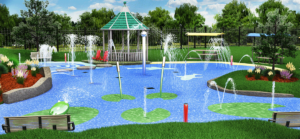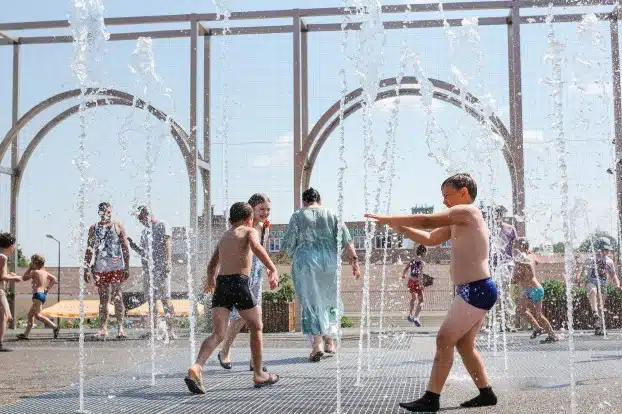


Designing a splash pad is about far more than arranging water features in an open space. A truly successful project combines creativity, safety, sustainability, and long-term operational efficiency. Communities across Canada are increasingly prioritizing responsible water and energy use, which means thoughtful planning is essential from the very beginning. When approached strategically, splash pad layout design can dramatically reduce energy consumption while still delivering an exciting and inclusive play experience.
Energy-smart concepts do not take away from the fun. Instead, they elevate it by ensuring the space performs efficiently year after year. Through careful zoning, circulation planning, and efficient fountain planning, municipalities and private operators can create vibrant aquatic destinations that align with environmental and financial goals.
Start With Purpose-Driven Splash Pad Layout Design
The foundation of an energy-conscious water play space begins with intentional splash pad layout design. Before selecting spray features or color themes, it is important to understand how people will move through the space and how the system will operate throughout the day.
A well-organized layout reduces unnecessary water pressure demands. For example, grouping features with similar flow requirements allows pumps to operate at optimized speeds instead of compensating for scattered pressure variations. This practical approach ensures that splash pad layout design supports hydraulic efficiency rather than working against it.
It is also helpful to consider peak and off-peak usage times. Not every feature needs to operate at full capacity throughout the day. By dividing the space into activity zones, designers can control which sections run simultaneously. This zoning strategy enhances efficient fountain planning because it aligns water output with real-time demand.
Careful positioning of high spray elements and gentle ground sprays also prevents overlap that wastes water. When water lands where it is intended, the recirculation system performs more effectively, reducing energy consumption over time.
Integrating Efficient Fountain Planning From the Beginning
Too often, energy efficiency is treated as an afterthought. In reality, efficient fountain planning should guide early design decisions. The type of nozzles, spray heights, and water sequencing patterns all influence how much energy the system requires.
Modern interactive features allow programmable sequences that cycle water elements instead of running them continuously. This dynamic operation reduces pump strain while keeping the experience engaging for children and families. Efficient fountain planning ensures that visual impact and sustainability work together rather than competing for priority.
Selecting features that deliver strong visual presence with moderate flow rates is another smart strategy. Laminar jets, misting arches, and ground sprays can create dramatic effects without excessive water demand. When incorporated thoughtfully into splash pad layout design, these features contribute to lower operating costs while maintaining excitement.
It is equally important to collaborate with engineers who understand hydraulic calculations. Pipe sizing, head pressure, and flow distribution must align with the physical layout. Efficient fountain planning combines aesthetic creativity with technical precision so the final result performs exactly as intended.
Zoning and Activation Controls
Energy-smart splash pad layout design relies heavily on zoning. By dividing the play area into multiple activation zones, operators gain the flexibility to adjust water use according to crowd levels.
Motion sensors and push button activators can trigger specific features only when users are present. This approach supports efficient fountain planning because water flows only when needed. Instead of operating continuously, the system responds to actual activity.
Zoning also allows quieter areas for younger children and more dynamic sections for older kids. Beyond improving inclusivity, this organization supports balanced pump loads. When zones are engineered carefully, efficient fountain planning reduces sudden demand spikes that increase electricity usage.
Designers should also consider shaded rest areas between active zones. These transitional spaces encourage natural circulation patterns and prevent overcrowding in a single location. When traffic distributes evenly, splash pad layout design promotes both safety and hydraulic balance.
Water Recirculation and Drainage Strategy
An energy-conscious splash pad depends on effective recirculation. Water that returns smoothly to the collection tank reduces pumping requirements. Proper grading ensures water flows naturally toward drains without pooling or stagnation.
During splash pad layout design, slopes must be subtle yet purposeful. Even small inefficiencies in drainage can force pumps to work harder to maintain flow rates. Efficient fountain planning accounts for these details by coordinating civil engineering with mechanical design.
The placement of drains relative to high spray features also matters. When drains sit directly beneath heavy spray elements, water returns to the system more quickly, minimizing spread and evaporation loss. This strategy contributes to efficient fountain planning because it reduces wasted water and stabilizes recirculation cycles.
In Canadian climates, freeze-thaw cycles must also be considered. Designing for seasonal shutdown and reopening protects equipment and ensures consistent performance in future seasons. Smart splash pad layout design includes accessible service points so maintenance can be performed quickly and safely.
Selecting Energy-Efficient Equipment
While layout decisions shape performance, equipment selection plays an equally important role. Variable speed pumps adjust flow rates according to system needs, reducing electricity consumption during lower demand periods.
When paired with thoughtful splash pad layout design, variable speed technology ensures that no zone receives more pressure than required. Efficient fountain planning also incorporates advanced filtration systems that maintain water clarity without excessive energy draw.
LED lighting integrated into water features can enhance evening visibility while consuming minimal power. Control panels with programmable settings allow operators to fine-tune sequences and operating hours. Each of these elements strengthens efficient fountain planning and contributes to long-term sustainability.
Material selection also influences performance. Durable, corrosion-resistant components reduce maintenance frequency and prevent energy loss caused by worn fittings or leaks. Over time, these small considerations add up to substantial savings.
Creating Engaging Yet Responsible Play Spaces
Energy-smart splash pad layout design does not mean reducing excitement. In fact, strategic placement of interactive features often enhances the experience. Children naturally gravitate toward clustered play elements where water responds to their movement.
By combining artistic vision with efficient fountain planning, designers can create immersive themes without unnecessary resource consumption. For example, arranging features in circular or spiral patterns encourages group play while supporting balanced hydraulic flow.
Community consultation can also provide valuable insight. Understanding how families intend to use the space helps refine splash pad layout design decisions that align with both enjoyment and efficiency.
When people feel connected to a thoughtfully designed water space, they are more likely to respect and care for it. This shared sense of ownership reinforces the long-term success of efficient fountain planning strategies.
Planning for Long-Term Sustainability
An energy-conscious splash pad layout design is an investment in the future. Rising utility costs and evolving environmental standards make efficiency a priority rather than an option. By integrating efficient fountain planning from the earliest stages, project teams avoid costly retrofits later.
Monitoring systems can track water usage and energy consumption over time, offering valuable data for operational adjustments. Continuous evaluation ensures that splash pad layout design continues to perform as intended.
Sustainability also strengthens public trust. Communities appreciate recreational spaces that demonstrate environmental responsibility. Efficient fountain planning shows that fun and stewardship can coexist beautifully.
Build Smarter With Oasis Water Playgrounds
Designing an energy-smart splash pad requires creativity, engineering expertise, and a clear understanding of how layout decisions influence performance. At Oasis Water Playgrounds, we specialize in splash pad layout design that blends vibrant play experiences with efficient fountain planning tailored to Canadian communities. csdsd
Our team works closely with municipalities, developers, and recreation planners to deliver water play environments that are engaging, reliable, and resource conscious. If you are ready to create a dynamic aquatic space that supports sustainability without compromising excitement, connect with Oasis Water Playgrounds today and let us help bring your vision to life.